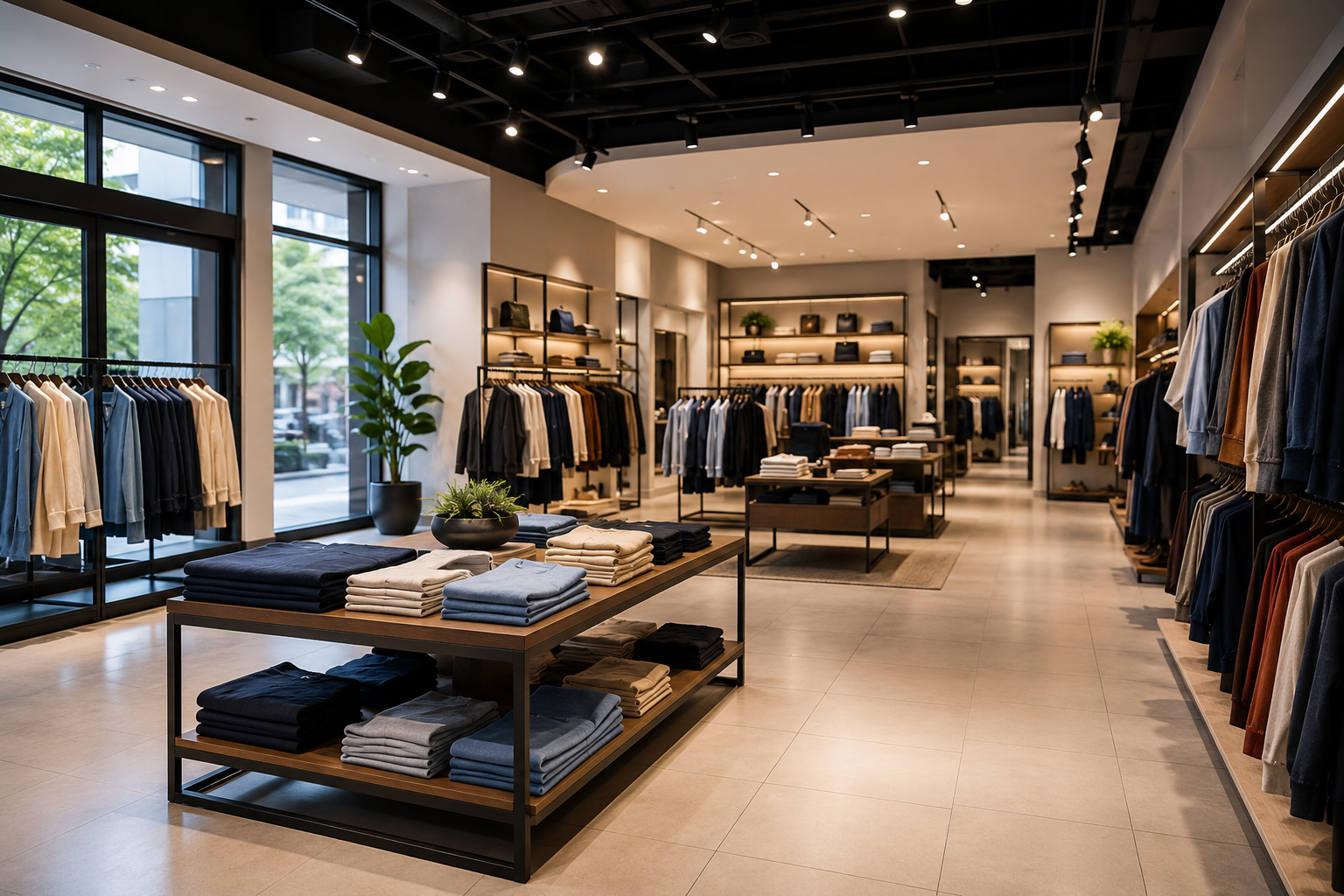
A clean retail store does more than look attractive. It helps create a positive first impression, improves the shopping experience, and supports a safer, more comfortable environment for customers and employees. For retail businesses in Edmonton, maintaining a clean storefront, organized sales floor, and hygienic checkout area is an important part of daily operations.
From clothing boutiques and specialty shops to convenience stores and larger retail spaces, consistent cleaning helps businesses present their products professionally and keep their premises ready for customers.
This guide provides a practical retail store cleaning checklist for Edmonton businesses, including daily tasks, deeper cleaning routines, and tips for maintaining a consistently clean shopping environment.
Why Is Retail Store Cleaning Important?
Retail stores experience regular foot traffic, frequent handling of merchandise, and ongoing contact with shared surfaces. Without a consistent cleaning routine, dust, dirt, fingerprints, and waste can quickly accumulate.
Professional retail cleaning can help businesses:
- Create a strong first impression: Clean windows, floors, entrances, and displays help make the store inviting.
- Maintain a hygienic environment: Regular cleaning of checkout counters, door handles, and other frequently touched surfaces helps reduce the buildup of dirt and germs.
- Improve customer comfort: Clean aisles, fitting rooms, and washrooms contribute to a more pleasant shopping experience.
- Protect store fixtures and flooring: Appropriate cleaning methods help maintain surfaces, displays, and flooring over time.
- Support workplace safety: Prompt spill cleanup and clear walkways help reduce slip, trip, and fall hazards.
- Maintain brand standards: A consistent cleaning routine helps keep the store aligned with the professional image customers expect.
The Complete Retail Store Cleaning Checklist
Use the following checklist to establish a reliable cleaning routine for your retail location.
1. Store Entrance and Front Windows
Your entrance is often the first part of your business customers see. Keep it clean, clear, and welcoming.
- Clean glass entrance doors and remove fingerprints.
- Wipe door handles and other frequently touched surfaces.
- Remove dirt, debris, and visible marks from entrance floors.
- Clean entrance mats and check for excessive moisture or debris.
- Remove litter from the immediate entrance area.
- Check accessible exterior glass and windows for smudges.
During Edmonton’s winter months, snow, slush, and road salt can be tracked inside. Increase entrance checks during poor weather and clean up wet floors promptly.
2. Sales Floors and Customer Walkways
Floors collect dust, debris, and tracked-in dirt throughout the day, particularly in high-traffic retail locations.
- Sweep or vacuum floors according to the flooring type.
- Mop hard floors using a suitable cleaning solution.
- Clean spills immediately and use appropriate wet-floor signage.
- Keep aisles free from waste, loose packaging, and other obstructions.
- Vacuum entrance mats and carpeted areas.
- Check corners and areas beneath accessible fixtures for dust buildup.
Always use cleaning products and equipment appropriate for the floor material to avoid damage.
3. Shelves, Displays, and Merchandise Areas
Dusty shelves and marked displays can distract from the products customers want to explore.
- Dust shelves, display tables, and accessible fixtures.
- Wipe product display surfaces using suitable materials.
- Remove visible fingerprints from glass display cases.
- Clean mirrors and other reflective surfaces.
- Remove dust from accessible ledges and decorative fixtures.
- Keep cleaning products away from merchandise and follow product-specific care instructions.
For clothing stores, electronics retailers, and specialty shops, use methods that protect delicate merchandise and sensitive surfaces.
4. Checkout Counters and Payment Areas
Checkout areas are among the most frequently used spaces in many retail stores. Keeping them clean supports a professional appearance and good hygiene practices.
- Wipe counters and work surfaces.
- Clean frequently touched surfaces, including suitable areas around payment terminals.
- Disinfect compatible high-touch surfaces according to product instructions.
- Remove receipts, packaging waste, and other debris.
- Clean accessible counter edges and surrounding surfaces.
- Keep the checkout area organized and free from unnecessary clutter.
Follow equipment manufacturers’ instructions when cleaning payment terminals, screens, and electronic devices. Avoid spraying liquids directly onto electronics.
5. Fitting Rooms and Customer Seating
For clothing stores and retailers with customer seating, these spaces need regular attention throughout the business day.
- Remove abandoned tags, packaging, and other waste.
- Clean mirrors and accessible surfaces.
- Vacuum or sweep fitting-room floors.
- Wipe benches and customer seating.
- Check hooks, handles, and other frequently touched surfaces.
- Keep fitting rooms tidy and ready for the next customer.
The frequency of cleaning should reflect how heavily these areas are used.
6. Washrooms and Handwashing Areas
Clean washrooms are an important part of the overall customer experience, particularly in stores that provide public washroom facilities.
- Clean and disinfect toilets and sinks.
- Wipe mirrors and counters.
- Clean faucets and frequently touched fixtures.
- Replenish soap, toilet paper, and paper towels.
- Empty waste bins and replace liners.
- Mop floors and check for moisture.
- Address unpleasant odours and report maintenance concerns.
Busy locations may require multiple washroom checks during the day rather than a single cleaning at closing time.
7. High-Touch Surfaces
High-touch surfaces can collect dirt through repeated use. Include them in a regular cleaning and disinfection routine.
Common examples include:
- Door handles and push plates
- Light switches
- Checkout counters
- Shopping baskets and carts
- Handrails
- Customer seating
- Shared staff-area touchpoints
Clean surfaces first when needed, then use an appropriate disinfectant according to its label, including the required contact time. Cleaning and disinfecting are different processes, and both should be used appropriately.
8. Windows, Glass, and Mirrors
Clean glass helps improve visibility and keeps the store looking well maintained.
- Remove fingerprints from interior glass doors.
- Clean accessible windows and mirrors.
- Spot-clean glass display cabinets.
- Remove visible smudges from partitions.
- Check for streaks under store lighting.
Include exterior glass cleaning where required and arrange suitable equipment or specialist services for windows that cannot be safely reached from the ground.
9. Garbage and Recycling
Waste can accumulate quickly in stores that receive deliveries or experience high customer traffic.
- Empty customer-facing and staff waste bins.
- Replace bin liners as needed.
- Separate recycling according to the business’s procedures.
- Clean bin lids and surrounding surfaces when necessary.
- Keep waste storage areas tidy.
- Report leaks, spills, or unusual odours promptly.
Regular waste removal helps keep customer areas organized and reduces unwanted odours.
10. Backrooms and Staff Areas
Storage rooms and employee areas should be included in the overall cleaning plan, even though customers may not see them.
- Sweep or vacuum accessible floors.
- Remove unnecessary waste and packaging.
- Wipe breakroom counters and tables.
- Clean shared appliances according to their care instructions.
- Empty staff-area garbage bins.
- Keep walkways and exits clear.
- Report spills, maintenance problems, and other safety concerns.
A clean backroom also helps employees work in an organized environment.
Daily, Weekly, and Monthly Retail Cleaning Schedule
The ideal cleaning frequency depends on store size, foot traffic, merchandise, and operating hours. The following schedule provides a starting point.
| Frequency | Recommended cleaning tasks |
|---|---|
| Daily | Clean entrances, floors, checkout areas, high-touch surfaces, washrooms, fitting rooms, and garbage bins as needed. |
| Throughout the day | Check spills, entrance mats, washrooms, waste bins, and heavily used customer areas. |
| Weekly | Detail-clean accessible fixtures, corners, baseboards, glass, and areas that receive less frequent attention. |
| Monthly or as needed | Review floor-care requirements, clean difficult-to-reach accessible areas, inspect recurring problem spots, and assess the cleaning schedule. |
Adjust this schedule according to customer traffic and operational needs. A busy shopping location may need more frequent cleaning than a small store with limited daily visitors.
Should You Hire a Professional Retail Cleaning Company?
Many businesses manage basic tidying internally but rely on professional cleaners for consistent, detailed cleaning. Outsourcing can be particularly useful when staff need to focus on customers, inventory, and sales rather than maintaining the entire premises.
A professional retail cleaning service may help with:
- Routine floor cleaning and maintenance
- Dusting shelves and accessible fixtures
- Cleaning entrances, glass, and customer areas
- Washroom cleaning and supply checks
- Waste removal
- Scheduled deep cleaning
- Cleaning plans tailored to store operating hours
When comparing commercial cleaning companies in Edmonton, ask about service scope, cleaning frequency, staff training, insurance, quality inspections, and how urgent cleaning requests are handled.
It is also helpful to confirm which tasks are included in the agreement and which require additional services.
How to Maintain Consistent Retail Cleaning Standards
A checklist is most effective when employees and cleaning providers understand their responsibilities.
Use these practices to improve consistency:
- Assign clear responsibility for daily cleaning checks.
- Record completed tasks using a simple checklist or inspection log.
- Schedule cleaning around customer traffic where practical.
- Address spills and safety concerns as soon as they occur.
- Review recurring issues with the cleaning team.
- Adjust the schedule when seasonal conditions or customer traffic change.
- Periodically inspect the store to confirm that cleaning standards are being met.
For Edmonton retailers, seasonal planning is especially important. Winter weather can increase the amount of moisture, grit, and salt entering the store, while busy shopping periods may require additional cleaning during operating hours.
Keep Your Edmonton Retail Store Clean and Customer-Ready
Maintaining a clean retail environment requires a combination of daily attention, scheduled deep cleaning, and consistent quality checks. From entrances and sales floors to fitting rooms and washrooms, every area contributes to the overall impression your business makes.
Red Door Cleaning provides commercial cleaning services for businesses in Edmonton and surrounding areas. A tailored cleaning plan can help your retail location maintain a professional appearance while allowing your team to focus on serving customers.
Looking for professional retail store cleaning in Edmonton? Contact Red Door Cleaning to discuss your business’s cleaning requirements and request a quote.
A cleaner store helps create a more welcoming environment for customers, employees, and everyone who walks through your doors.