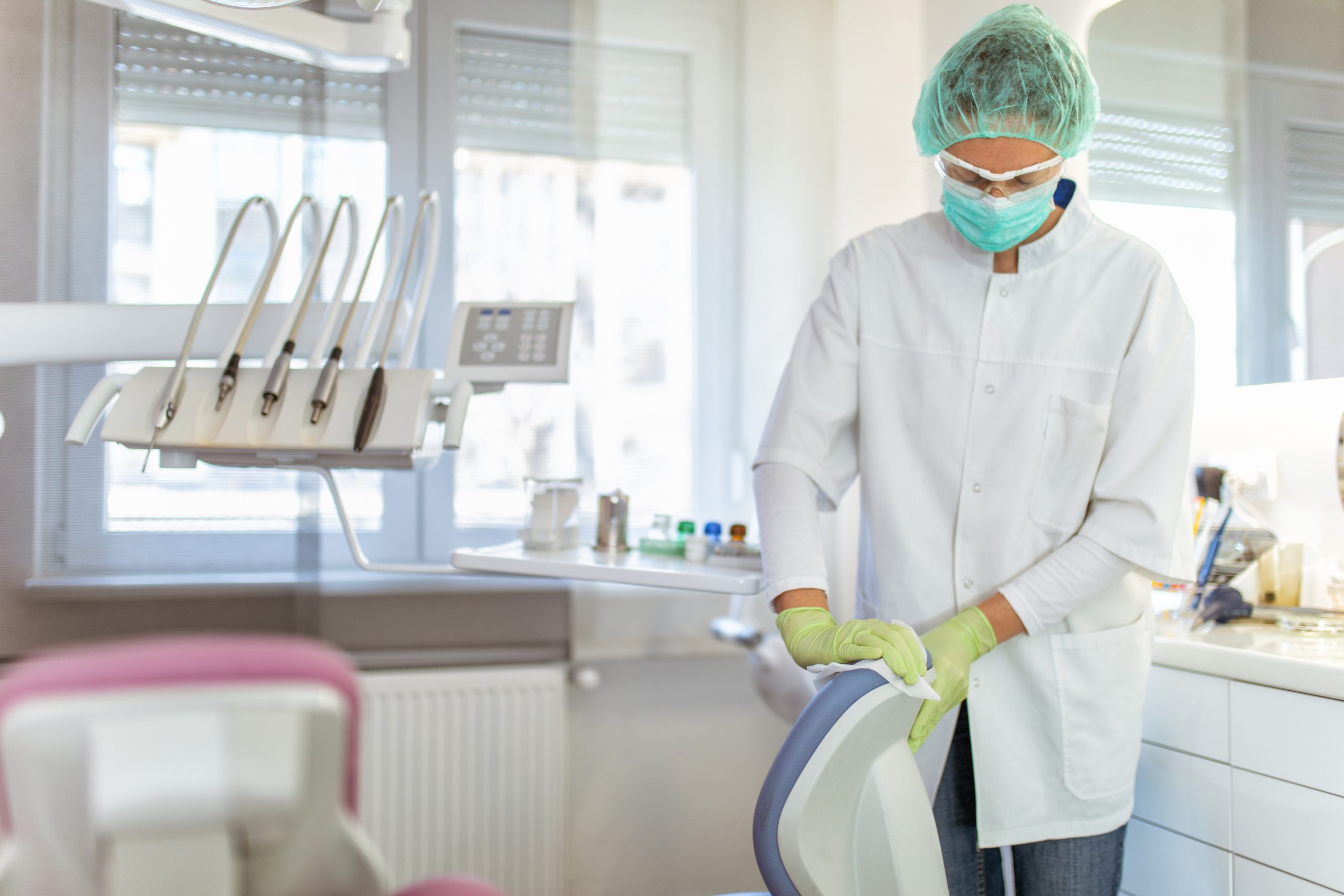
Medical environments are not just workplaces—they are controlled health spaces where infection prevention, patient safety, and regulatory compliance intersect. Unlike standard office cleaning, which focuses on appearance and general hygiene, medical office cleaning operates at a clinical level where risk mitigation and microbial control are the primary objectives.
This distinction is critical for clinics, dental practices, outpatient centers, and any facility delivering patient care. Below is a comprehensive breakdown of why medical offices demand a higher and more specialized cleaning standard.
1. Infection Control Is the Primary Objective
In a typical office, cleaning aims to maintain a tidy and presentable environment. In medical settings, cleaning is directly tied to infection prevention and control (IPAC).
Pathogens such as bacteria, viruses, and fungi can survive on surfaces for extended periods. In high-risk environments like exam rooms and waiting areas, improper cleaning can lead to cross-contamination between patients and staff.
Medical cleaning protocols are designed to:
- Reduce microbial load on surfaces
- Break the chain of infection transmission
- Protect immunocompromised patients
- Maintain a sterile or near-sterile environment where required
This requires hospital-grade disinfectants, proper dwell times, and strict adherence to sanitation procedures.
2. High-Touch Surfaces Require Continuous Disinfection
Medical offices experience significantly higher contact frequency than standard workplaces. Surfaces such as:
- Examination tables
- Door handles and push plates
- Waiting room chairs and armrests
- Reception desks and payment terminals
- Medical equipment and tools
must be disinfected far more frequently—often multiple times per day.
Unlike regular offices where daily cleaning may suffice, medical facilities require routine and targeted disinfection cycles throughout operating hours.
3. Strict Regulatory and Compliance Requirements
Medical facilities are subject to health and safety standards set by governing bodies and public health authorities. Cleaning is not optional—it must meet documented protocols.
Failure to comply can result in:
- Regulatory penalties
- Failed inspections
- Legal liability
- Damage to reputation
Professional cleaning providers must understand:
- Workplace Hazardous Materials Information System (WHMIS) guidelines
- Infection prevention standards
- Proper documentation and cleaning logs
- Safe handling of biohazardous materials
This level of compliance is far beyond what is expected in a general office environment.
4. Specialized Training and Certified Cleaning Processes
Medical cleaning is not a general janitorial task—it requires trained personnel with knowledge of clinical sanitation procedures.
Key training areas include:
- Proper use of personal protective equipment (PPE)
- Cross-contamination prevention techniques
- Color-coded cleaning systems
- Safe disposal of sharps and medical waste
- Correct dilution and application of disinfectants
Untrained cleaning staff can unintentionally spread contaminants rather than eliminate them, making expertise essential.
5. Use of Hospital-Grade Disinfectants and Equipment
Standard cleaning products are not sufficient in medical environments. These facilities require:
- Hospital-grade disinfectants with proven efficacy against pathogens
- Electrostatic sprayers or advanced disinfection tools
- HEPA-filter vacuums for air quality control
- Microfiber systems designed to trap bacteria rather than spread it
Additionally, disinfectants must be used with correct contact (dwell) times, which is often overlooked in general cleaning practices.
6. Higher Risk of Cross-Contamination
In medical offices, multiple patients with varying health conditions use the same spaces throughout the day. Without strict cleaning segregation protocols, pathogens can easily transfer between:
- Patients
- Staff
- Surfaces and equipment
Medical cleaning minimizes this risk through:
- Zone-based cleaning (clean vs contaminated areas)
- Single-use or sanitized tools between rooms
- Systematic cleaning sequences (top-to-bottom, clean-to-dirty)
7. Patient Trust and Professional Reputation
Cleanliness in a medical setting directly influences patient perception and trust. A visibly clean and sanitized environment reassures patients that:
- Their health is a priority
- The facility follows professional standards
- Infection risks are being managed responsibly
On the other hand, poor cleanliness can lead to negative reviews, reduced patient retention, and reputational damage.
8. Customized Cleaning Protocols for Different Medical Spaces
Not all areas in a medical office are treated equally. Each zone requires a tailored approach:
- Waiting Areas: Frequent disinfection of high-touch surfaces
- Exam Rooms: Full sanitation between patients
- Restrooms: Enhanced hygiene and replenishment protocols
- Administrative Areas: Standard cleaning with added disinfection points
This level of customization ensures that cleaning efforts align with actual risk levels.
9. Documentation and Accountability
Medical cleaning requires traceability and accountability. Cleaning providers often maintain:
- Daily cleaning logs
- Disinfection checklists
- Incident reports
- Compliance documentation
This ensures transparency and provides proof of adherence to required standards during audits or inspections.
10. Long-Term Cost Efficiency Through Preventive Care
While medical cleaning may seem more intensive, it actually reduces long-term costs by:
- Preventing outbreaks and liability issues
- Extending the lifespan of flooring and equipment
- Reducing staff sick days
- Maintaining operational continuity
Investing in proper cleaning is ultimately a risk management strategy, not just a maintenance expense.
Conclusion
Medical offices require a fundamentally different cleaning standard because the stakes are significantly higher. It is not just about maintaining a clean appearance—it is about protecting health, ensuring compliance, and preventing the spread of infection.
For clinics and healthcare providers, partnering with a professional cleaning company that understands medical-grade protocols is essential. The right approach combines expert training, advanced disinfecting methods, and strict adherence to health regulations—ensuring a safe environment for both patients and staff.
FAQ (SEO-Optimized)
1. What is the difference between medical cleaning and office cleaning?
Medical cleaning focuses on infection control, disinfection, and compliance, while office cleaning is primarily for general hygiene and appearance.
2. How often should a medical office be cleaned?
High-touch areas should be disinfected multiple times daily, with deep cleaning performed regularly based on patient volume.
3. What products are used in medical cleaning?
Hospital-grade disinfectants approved for eliminating bacteria, viruses, and other pathogens are used.
4. Why is professional medical cleaning important?
It reduces infection risks, ensures compliance with regulations, and protects both patients and staff.
5. Can regular cleaners handle medical offices?
No, medical facilities require trained professionals with specialized knowledge in infection control and sanitation protocols.